

The Complete Guide to Calorie Counting in 2026
Learn everything you need to know about calorie counting, from the basics of energy balance to practical tips for tracking your daily intake. Our comprehensive guide covers methods, tools, and expert advice.


Calorie counting is still one of the most effective ways to manage your weight, and in 2026 it's easier than ever. Whether you want to lose weight, build muscle, or just pay more attention to what you eat, understanding calories is the foundation.
What Is a Calorie?
A calorie is a unit of energy. When we say "calories" in food, we actually mean kilocalories (kcal), which measure the energy your body can extract from what you eat.
Your body needs this energy for everything from breathing to walking to exercising. The balance between calories in and calories out is what decides whether you gain, lose, or maintain weight.
Understanding Energy Balance
The fundamental principle of weight management is energy balance: calories in versus calories out.
- Caloric deficit: Eating fewer calories than you burn leads to weight loss
- Caloric maintenance: Eating the same calories you burn maintains weight
- Caloric surplus: Eating more calories than you burn leads to weight gain
This doesn't mean all calories are nutritionally equal. 200 calories from vegetables and 200 calories from candy hit your body very differently in terms of nutrients and satiety. For weight specifically, the total calorie balance is what dominates.
How Many Calories Do You Need?
Your Total Daily Energy Expenditure (TDEE) depends on several factors:
- Basal Metabolic Rate (BMR): Calories burned at complete rest
- Thermic Effect of Food (TEF): Energy used to digest food
- Non-Exercise Activity Thermogenesis (NEAT): Daily movement outside exercise
- Exercise Activity Thermogenesis (EAT): Planned physical activity
Most adults need between 1,600-2,400 calories per day for women and 2,000-3,000 for men, though this varies a lot based on activity level, age, and body composition.
The Science-Backed Approach
Research consistently shows that tracking food intake, even imperfectly, leads to better outcomes than not tracking. A 2019 study in Obesity found that people who logged food at least twice daily lost significantly more weight than those who logged less often.
"The act of monitoring food intake increases awareness and helps people make better choices, even when the tracking isn't perfectly accurate."
The key isn't perfection, it's consistency. Even rough estimates help build awareness of your eating patterns.
Methods for Counting Calories
1. Photo-Based Tracking (Easiest)
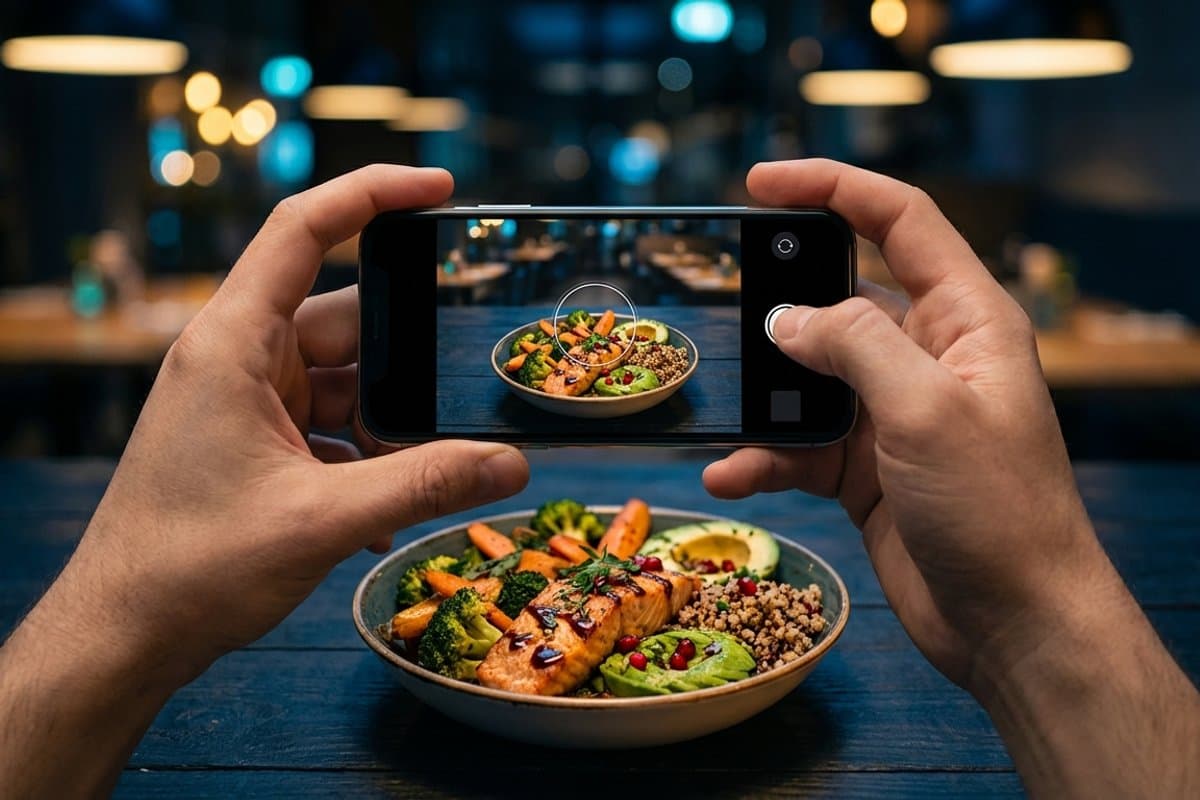
Modern AI can estimate calories from food photos with reasonable accuracy. Apps like Calvin make this as simple as snapping a picture. It's the fastest method, good for estimating portions visually, and works well for mixed meals where the ingredients are hard to separate.
2. Barcode Scanning
For packaged foods, scanning the barcode pulls exact nutrition info from the manufacturer. Highly accurate for pre-packaged snacks and meals, drinks, and branded food items.
3. Manual Logging
Searching a food database or entering items by hand gives you the most control. Best for simple meals with known ingredients, recipes you make often, and when you need specific nutrient details.
4. Recipe Calculation
For home-cooked meals, you can calculate total recipe calories and divide by servings. It takes more effort upfront but gives you accurate data for meals you make often and reusable entries for future logs.
Try our Recipe Calorie CalculatorPractical Tips for Success
Start With What You Know
Begin by tracking your normal eating for a week without trying to change anything. This baseline shows you where your calories actually come from.
Focus on High-Impact Foods
Don't stress about every small item. Focus on tracking:
- Main meals (breakfast, lunch, dinner)
- Calorie-dense foods (oils, nuts, cheese)
- Snacks and treats
- Beverages (especially alcohol and sugary drinks)
Use Visual Portion Estimates
When you can't measure exactly, use these references:
- Palm = one serving of protein (3-4 oz)
- Fist = one cup of vegetables or grains
- Thumb = one tablespoon of fats
- Cupped hand = one serving of snacks
Track Consistently, Not Perfectly
Missing a meal here and there won't derail your progress. What matters is keeping the habit. Aim for tracking at least 80% of your meals.
Common Mistakes to Avoid
1. Forgetting Cooking Oils
A tablespoon of oil adds about 120 calories. If you're sautéing vegetables or cooking with oil, account for it.
2. Ignoring Beverages
Drinks can contribute significant calories:
- Large latte: 200-400 calories
- Glass of wine: 120-150 calories
- Craft beer: 200-350 calories
- Fruit juice: 110-150 per cup (coconut water vs orange juice shows a lighter swap)
3. Underestimating Portions
Studies show people consistently underestimate portion sizes by 20-50%. Using a food scale occasionally helps calibrate your estimates.
4. Not Accounting for Weekends
It's easy to track carefully Monday through Friday, then lose track on weekends. Weekend eating patterns are usually very different.
When Calorie Counting Might Not Be Right
While calorie counting works for many people, it's not for everyone. Consider alternative approaches if you:
- Have a history of eating disorders
- Find tracking creates anxiety around food
- Prefer intuitive eating approaches
- Have specific medical conditions that require different nutritional management
In these cases, working with a registered dietitian can help you find an approach that fits your needs.
Making It Sustainable
The goal of calorie counting isn't to track forever. It's to build awareness and habits that stick. Most successful trackers:
- Start strictly to learn portion sizes and calorie contents
- Gradually relax as they develop intuition
- Return to tracking during specific goals or when needed
- Use periodic check-ins to stay on course
Getting Started Today
Ready to start counting calories? Here's your action plan:
- Calculate your TDEE using our TDEE Calculator to know your target
- Choose a tracking method that fits your lifestyle
- Track normally for one week to establish your baseline
- Set a realistic goal using our Calorie Deficit Calculator
- Review and adjust weekly based on your results
Start Tracking Today
Calvin makes calorie counting effortless with AI-powered photo logging

Conclusion
Calorie counting is a useful tool for understanding and managing your nutrition. It takes some effort to learn, but the awareness you build pays off long after you stop actively tracking.
The best approach is the one you can keep doing. Whether you prefer photo logging, barcode scanning, or manual entry, consistency matters more than perfection. Start simple, build the habit, and adjust your method as you learn what works for you.
The goal isn't to obsess over every calorie. It's to develop a healthier relationship with food based on awareness and informed choices.
References

Founder & Developer
Ryan is the founder and lead developer of Calvin. With a passion for both technology and health optimization, he built Calvin to solve his own frustrations with manual calorie tracking. He believes that AI can make healthy eating effortless.
Related Articles

Your First Week of Calorie Tracking: What to Expect
The first week of calorie tracking is slow, noisy, and slightly annoying. Here is how long it actually takes, what the scale will do, and what counts as good enough.

What Is a Calorie Deficit and How Big Should Yours Be?
A calorie deficit is required for fat loss, but how big should it be? Learn the science, the math, and how to set the right deficit for your goals and lifestyle.

Managing Calories With a Desk Job: What Sitting All Day Actually Costs
A desk job takes movement out of your baseline and puts food within arm's reach for eight hours. Here's what that costs, and where the calories leak.