

The Most Underestimated Foods: Where Calorie Counting Goes Wrong
Discover the foods that sabotage calorie counts the most. From cooking oils to 'healthy' options, learn where hidden calories hide and how to account for them.

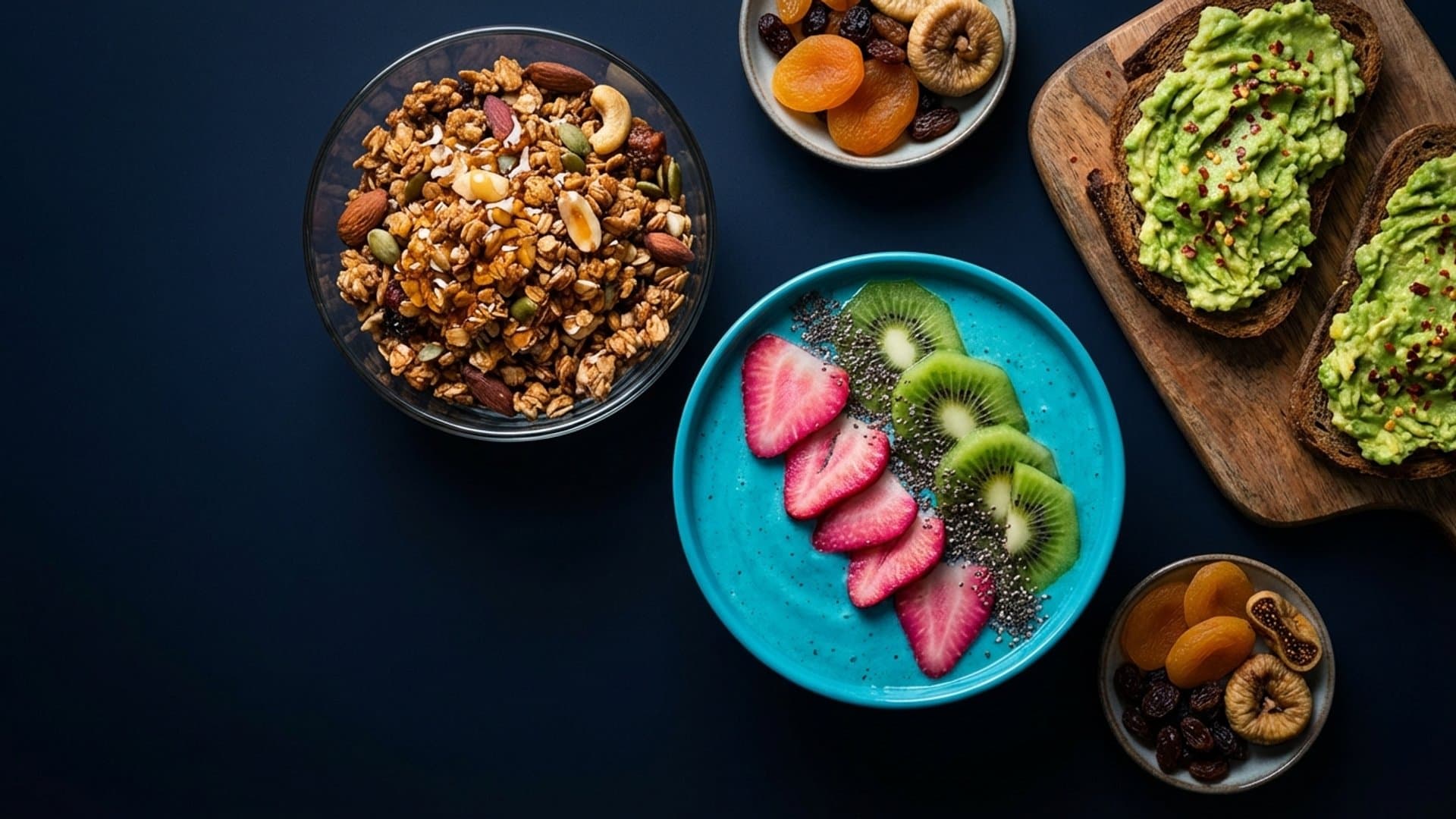
You're tracking diligently. Logging every meal. Staying under your calorie goal. But the scale won't budge.
Sound familiar?
The culprit usually isn't your discipline. It's a handful of sneaky foods almost everyone underestimates. Research suggests the average person underestimates their intake by 30-50%, and certain foods are responsible for most of that gap.
Here are the biggest offenders.
Category 1: Cooking fats and oils
The #1 source of hidden calories. Nothing else comes close.
The problem
You log "chicken stir-fry" but don't count the oil it was cooked in. You track the eggs but not the butter in the pan. These fats are invisible in the finished dish but very real in your calorie total.
The numbers
| What You Use | Actual Calories |
|---|---|
| "A little" olive oil | Usually 2-3 tbsp = 240-360 cal |
| "Just a pat" of butter | Often 2 tbsp = 200 cal |
| Cooking spray ("0 calories") | Each spray = 8 cal; real usage often 50+ cal |
| "Light coating" of oil in pan | 1-2 tbsp = 120-240 cal |
The cooking spray myth: A "0 calorie" serving is 1/3 of a second of spraying. Nobody sprays for 1/3 of a second. A typical spray to coat a pan is 2-3 seconds = 50-75 calories.
How much are you missing?
If you cook two meals a day at home and undercount cooking fat by 1 tablespoon each meal, that's:
- 240 missed calories per day
- 1,680 missed calories per week
- Enough to erase a moderate deficit entirely
The fix
- Measure oil before pouring (use a tablespoon, not a "glug")
- Log cooking fat as a separate line item
- When eating out, add 100-200 calories for cooking fat to any sautéed dish
- Not sure which cooking fat to use? Compare butter vs. olive oil calories
Category 2: "healthy" foods
The health halo effect is powerful. When we believe something is good for us, we assume it's lower calorie, and eat more of it.
Avocados
Perception: Healthy fat, basically a vegetable
Reality: A medium avocado contains 320 calories and 30g of fat. That's more calories than a Snickers bar.
| Avocado Portion | Calories |
|---|---|
| 1/4 avocado | 80 cal |
| 1/2 avocado | 160 cal |
| Whole avocado | 320 cal |
| Restaurant guac serving | 200-300 cal |
Nuts and nut butters
Perception: Protein-packed healthy snack
Reality: Nuts are 70-85% fat by calories. They're nutrient-dense but extremely calorie-dense.
| Nut Portion | Actual Calories |
|---|---|
| "A handful" of almonds | Usually 25-30 = 150-175 cal |
| "A serving" of peanut butter | 2 tbsp = 190 cal (most use 3-4 tbsp) |
| Trail mix "snack portion" | Often 400-600 cal |
| Nut topping on salad or oatmeal | 100-200 cal |
Smoothies
Perception: Just fruit and vegetables, so healthy!
Reality: Large smoothies can pack 500-1,000 calories, especially with:
- Multiple fruits
- Nut butters
- A tablespoon of chia seeds (58 calories)
- Protein powder
- Coconut milk or cream
- Added honey or dates
- Granola topping
| Smoothie Component | Calories |
|---|---|
| Banana | 105 |
| Cup of berries | 70 |
| 2 tbsp peanut butter | 190 |
| Scoop of protein | 120 |
| Cup of oat milk | 130 |
| Honey | 60 |
| Total | 675 cal |
A "healthy breakfast smoothie" can easily contain more calories than a McDonald's Big Mac.
Açaí bowls
Perception: The epitome of healthy eating
Reality: A typical açaí bowl from a juice bar contains 600-1,200 calories.
The base is fine. Then comes:
- Granola: 200-300 cal
- Coconut: 100 cal
- Nut butter: 100-200 cal
- Honey: 60 cal
- Additional fruit: 100 cal
Salads (restaurant)
Perception: Obviously the healthy choice
Reality: Restaurant salads often exceed 800 calories, sometimes topping 1,200.
| Salad Component | Calories |
|---|---|
| Greens | 20 |
| Cheese (2 oz) | 220 |
| Croutons | 100 |
| Nuts/seeds | 150 |
| Dressing (3 tbsp) | 200-350 |
| Protein | 200-300 |
| Avocado | 150 |
| Total | 1,040-1,290 cal |
That "virtuous" salad often contains more calories than the burger you avoided. The difference is that burger calories are expected; salad calories are invisible.
Category 3: Liquid calories
Drinks are the most underreported category in food tracking. They don't feel like eating, so we don't log them like eating.
Coffee drinks
| Drink | Calories |
|---|---|
| Black coffee | 5 |
| Coffee with cream + sugar | 80-120 |
| Latte (whole milk, 16 oz) | 220 |
| Mocha (16 oz) | 360 |
| Frappuccino (16 oz) | 400-500 |
| Daily cream + sugar habit | 150-200/day |
Alcohol
| Drink | Calories |
|---|---|
| Light beer | 100 |
| Regular beer | 150 |
| Craft/IPA beer | 200-350 |
| Glass of wine (5 oz) | 125 |
| Margarita | 300-500 |
| Piña colada | 450-650 |
| Vodka soda | 100 |
The forgotten factor: Alcohol calories are often untracked. Plus, alcohol increases appetite and impairs judgment around food. A night out can add 1,000-2,000 untracked calories.
Juice and soda
| Drink | Calories |
|---|---|
| Orange juice (12 oz) | 170 |
| Apple juice (12 oz) | 175 |
| Soda (12 oz) | 140 |
| Sweet tea (16 oz) | 160 |
| Lemonade (16 oz) | 180 |
The juice illusion: A glass of OJ has the sugar of 3-4 oranges without the fiber that would make you stop eating. Even the "healthier" swaps need a second look; see coconut water vs orange juice. Soda gets the bad reputation, but ounce for ounce it's not always the worst of the bunch, see soda vs lemonade for the actual numbers.
Category 4: Condiments and toppings
Small additions that nobody logs, but everyone uses.
The usual suspects
| Condiment | Serving | Typical Use | Actual Calories |
|---|---|---|---|
| Mayo | 1 tbsp | 2-3 tbsp | 180-280 |
| Ranch | 2 tbsp | 4-6 tbsp | 260-400 |
| Salad dressing | 2 tbsp | 3-4 tbsp | 200-350 |
| Ketchup | 1 tbsp | 3-4 tbsp | 60-80 |
| BBQ sauce | 2 tbsp | 4+ tbsp | 120-200 |
| Cream cheese | 1 oz | 2-3 oz | 100-300 |
| Butter on bread | 1 tsp | 1-2 tbsp | 100-200 |
| Olive oil on salad | 1 tbsp | 2-3 tbsp | 240-360 |
| Hummus | 2 tbsp | 4-6 tbsp | 140-200 |
| Guacamole | 2 tbsp | 4-6 tbsp | 100-150 |
The accumulation effect: If you're off by 50-100 calories on three condiments per day, that's 150-300 untracked calories daily.
Category 5: "Just a bite" foods
The tastes, nibbles, and samples that feel too small to log, but aren't.
Common culprits
| The Bite | Approximate Calories |
|---|---|
| "Finishing" your kid's leftovers | 100-300 |
| Samples at Costco | 50-100 each |
| Handful of chips from the bag | 100-200 |
| Spoonful of peanut butter | 100 |
| Broken cookie pieces | 50-100 |
| Tasting while cooking | 50-200 |
| One square of chocolate | 50-75 |
| A few bites of partner's dessert | 100-200 |
How it adds up: Just three "bites" throughout the day = 200-400 untracked calories.
If it goes in your mouth, it goes in your log. No bite is too small to count toward your total. They just add up quietly.
Category 6: Restaurant portions
The portion distortion problem
| Item | Home Portion | Restaurant Portion | Calorie Difference |
|---|---|---|---|
| Pasta | 1 cup | 3-4 cups | +400-600 cal |
| Chicken breast | 4 oz | 8-10 oz | +150-200 cal |
| Rice/potatoes | 1/2 cup | 1.5-2 cups | +200-300 cal |
| Steak | 6 oz | 12-16 oz | +300-600 cal |
| Bread basket | 1 roll | 3+ rolls with butter | +300-500 cal |
The hidden restaurant calories
Beyond portion size, restaurants add:
- Butter to finish dishes: +100-200 cal
- Oil for cooking: +100-200 cal
- Cheese you didn't ask for: +100 cal
- Creamy sauces: +100-300 cal
A "grilled chicken breast with vegetables" at home: 400 calories. The same dish at a restaurant: 700-900 calories.
The accuracy audit
Test your estimation accuracy with our Calorie Guessing GameHow to find your blind spots
For one week, try this:
- Measure cooking oil before using it
- Weigh calorie-dense foods (nuts, cheese, butter, avocado)
- Track every beverage including coffee additions
- Log every condiment separately
- Record every taste and bite no matter how small
- Add 30% to restaurant meal estimates
What most people find
- Cooking fat: 200-400 extra cal/day
- Condiments and dressings: 100-200 extra cal/day
- Beverages: 100-300 extra cal/day
- Bites and tastes: 100-300 extra cal/day
- Total undercount: 500-1,200 cal/day
How to fix your tracking
Learn visual portion estimationPriority 1: Measure fats and oils
This single change captures the biggest source of error. Use a tablespoon, not a "pour."
Priority 2: Track beverages completely
Everything with calories: coffee additions, alcohol, juice, smoothies.
Priority 3: Weigh calorie-dense foods
Nuts, cheese, avocado, nut butter, dried fruit. These foods have no visual margin for error.
Priority 4: Log condiments separately
Don't bundle dressing into "salad." Track each addition.
Priority 5: Account for restaurant cooking
Add 100-200 calories to any sautéed or grilled restaurant dish.
Priority 6: Track bites
If you taste it, log it. A notes app entry of "~200 cal nibbles" beats nothing.
Frequently Asked Questions
Track More Accurately
Calvin's AI catches the foods most people miss, get a more complete picture

References

Founder & Developer
Ryan is the founder and lead developer of Calvin. With a passion for both technology and health optimization, he built Calvin to solve his own frustrations with manual calorie tracking. He believes that AI can make healthy eating effortless.
Related Articles
How to Count Calories at a Buffet or Potluck Without Weighing Anything
How to count calories at a buffet or potluck when nothing has a label. What the portion research says, which dishes actually cost you, and how to log the plate afterward.
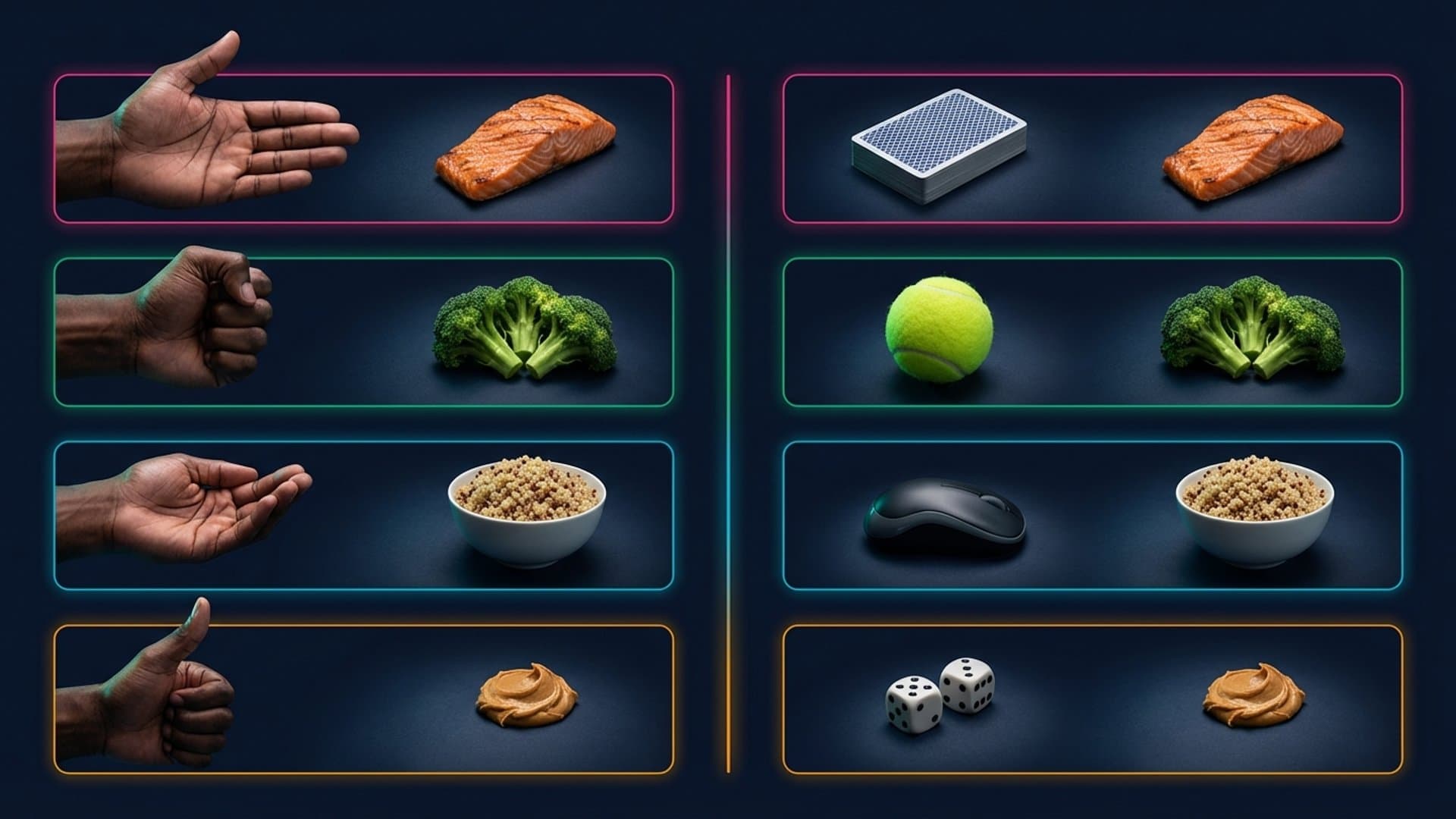
How to Estimate Portions When You Can't Measure
Master visual portion estimation for any situation. From restaurants to buffets to dinner parties, these techniques help you track calories accurately anywhere.
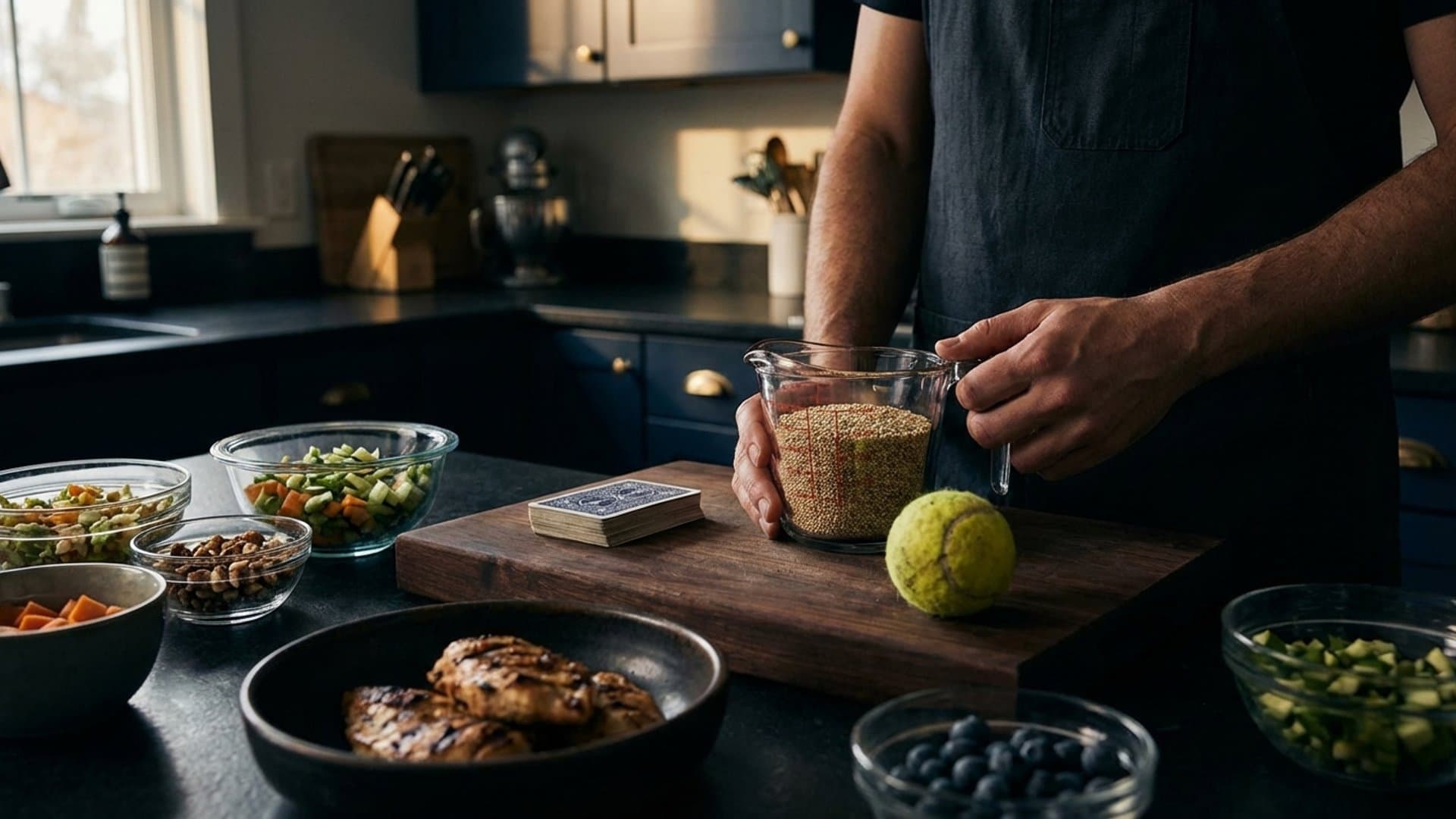
How to Count Calories Without a Food Scale
Learn practical methods for estimating calories without weighing food. Use hand portions, visual references, and smart strategies to track accurately, no scale required.