

Do Negative Calorie Foods Exist? The Truth About Celery and Other Claims
Do celery, cucumbers, and other foods burn more calories to digest than they contain? Here's the math on 'negative calorie' foods and what actually happens.

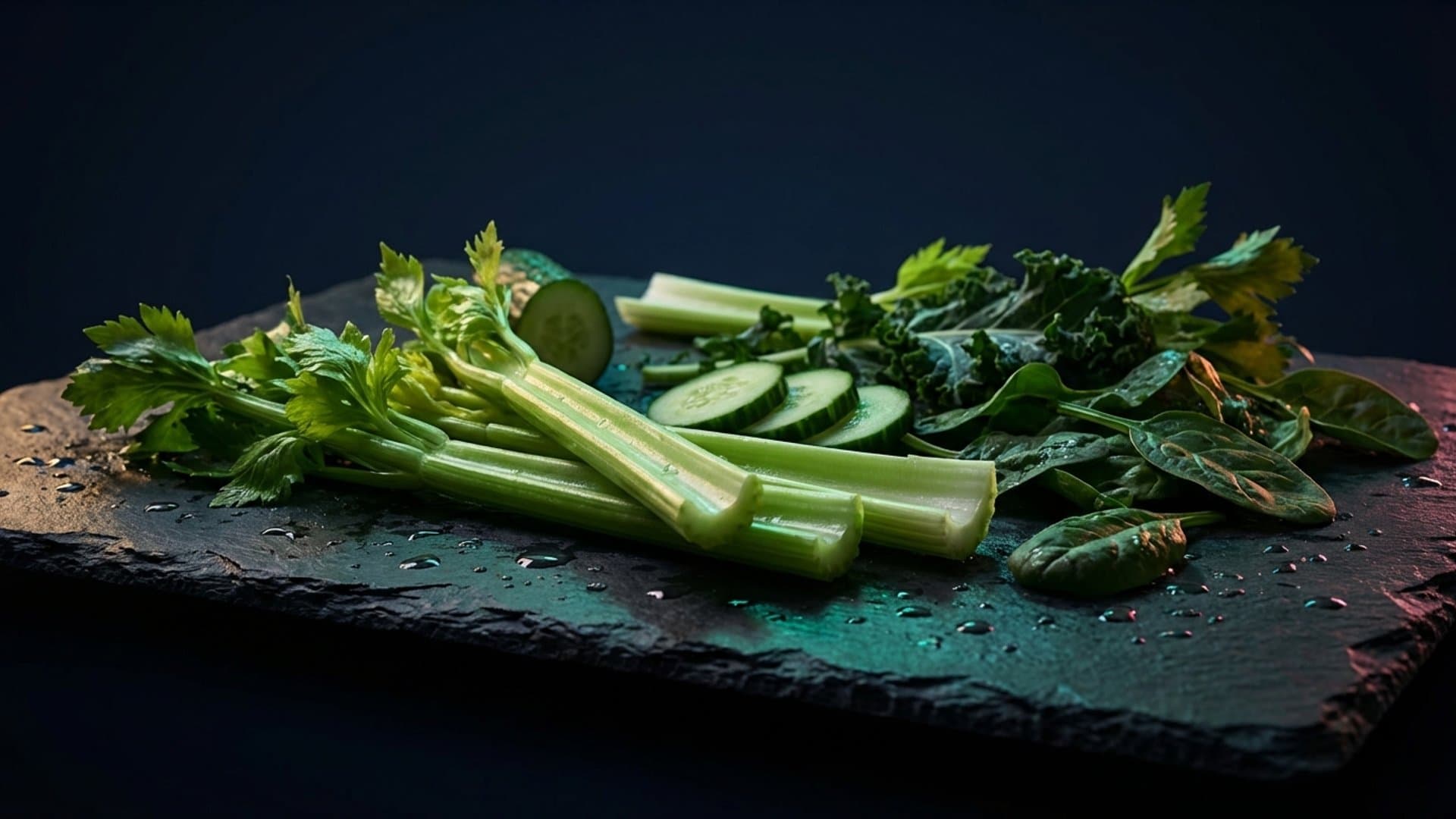
I get asked about "negative calorie foods" a lot. The idea is simple: foods like celery supposedly burn more calories to digest than they contain. You eat them, your body works to process them, and you end up at a calorie deficit. Nice thought, but let's look at what actually happens when you eat a stick of celery.
The Claim: Burning More Than You Eat
The theory: certain foods take so much energy to chew and digest that the process burns more calories than the food provides. Eat enough celery, create a calorie deficit just by eating.
Foods commonly labeled as "negative calorie" include:
- Celery
- Cucumbers
- Lettuce
- Leafy greens
- Zucchini
- Grapefruit
- Watermelon
- Tomatoes
The appeal is obvious. If true, you could eat unlimited quantities of these foods and actually lose weight in the process. It sounds too good to be true, and it is.
The Math: Why It Doesn't Work
To understand why negative calorie foods don't exist, you need to know about the Thermic Effect of Food (TEF): the energy your body burns to digest, absorb, and process nutrients.
| Macronutrient | Thermic Effect |
|---|---|
| Protein | 20-30% of calories |
| Carbohydrates | 5-10% of calories |
| Fat | 0-3% of calories |
Most "negative calorie" foods are primarily water and carbohydrates with minimal protein. That means their TEF is around 5-10% of calories consumed.
The Celery Example
Let's do the math on a single stalk of celery:
- Calories in celery: 6 calories per stalk
- TEF for vegetables: approximately 10%
- Calories burned digesting: 0.6 calories
Net calories from celery: 6 - 0.6 = 5.4 calories
You absorb about 5.4 calories from a celery stalk, not negative calories. The same math applies to every "negative calorie" food.
Even if we're generous and assume chewing burns extra calories, research shows chewing food burns about 11 calories per hour. You'd need to chew celery for over 30 minutes to burn 6 calories. Nobody chews a single stalk that long.
The Full Breakdown: "Negative Calorie" Foods
Here's the reality for commonly cited "negative calorie" foods:
| Food | Calories per 100g | TEF (~10%) | Net Calories |
|---|---|---|---|
| Celery | 14 | 1.4 | 12.6 |
| Cucumber | 15 | 1.5 | 13.5 |
| Lettuce | 14 | 1.4 | 12.6 |
| Zucchini | 17 | 1.7 | 15.3 |
| Tomatoes | 18 | 1.8 | 16.2 |
| Watermelon | 30 | 3.0 | 27.0 |
| Grapefruit | 42 | 4.2 | 37.8 |
| Spinach | 23 | 2.3 | 20.7 |
Every one of these foods provides positive net calories. No exceptions.
Why the Myth Persists
If negative calorie foods don't exist, why does this idea keep coming back?
1. These Foods Are Extremely Low Calorie
Not negative, but foods like celery and cucumber are among the lowest-calorie foods you can eat. A whole pound of celery is about 65 calories. That's less than a single egg (72 calories), and barely more than a tablespoon of chia seeds (58 calories).
2. Marketing and Clickbait
"Negative calorie foods" makes a better headline than "very low calorie foods." The myth spreads because it's a more compelling story.
3. Confusion About TEF
Some people correctly learn that digestion burns calories, then wrongly assume the digestion cost could exceed the calories in some foods. The math doesn't support it.
4. They Do Help With Weight Loss (Indirectly)
The twist: while these foods don't create negative calories, they do help many people lose weight. Just not through the mechanism claimed.
The Real Benefit: High Volume, Low Density
These foods are better understood as high-volume, low-calorie optionsThe actual value of celery, cucumbers, and leafy greens is calorie density, not negative calories. These foods let you eat large volumes with very little caloric impact.
Compare these meals:
| Meal | Volume | Calories |
|---|---|---|
| 1 tablespoon olive oil | 15ml | 120 cal |
| 1 cup raw celery | 240ml | 14 cal |
| 1 cup cucumber | 240ml | 16 cal |
| 1 cup spinach | 240ml | 7 cal |
You could eat over 8 cups of celery for the calories in a tablespoon of olive oil. That's the real advantage: physical fullness with minimal calories.
Why Volume Matters
Your stomach registers fullness based on volume and stretch, not just calories. A big salad with 150 calories can leave you more satisfied than a small energy bar with 250.
The goal isn't finding foods with negative calories, it's filling your plate with foods that provide volume without excessive calories.
Practical Application
Instead of chasing the myth of negative calories, use these foods strategically:
1. Start Meals With Vegetables
Research shows starting meals with a salad or vegetable soup reduces overall calorie intake by 10-20%. The volume fills you up before you get to the denser foods.
2. Use Them as Snacks
When you want to munch on something, celery and cucumbers give you the act of eating with very few calories. Much better than chips or crackers.
3. Bulk Up Meals
Add spinach to eggs, lettuce to sandwiches, tomatoes to pasta. You boost meal volume without adding much in the way of calories.
4. Stay Hydrated
Many "negative calorie" foods are 90%+ water. Eating them helps with hydration, which can quiet false hunger signals.
Calculate your actual daily calorie needsThe Bottom Line
Negative calorie foods don't exist. Your body always absorbs more energy from food than it burns digesting it. That's basic thermodynamics.
But the foods often labeled "negative calorie" are genuinely useful for weight management. They're just not useful for the reasons commonly claimed. Their value comes from low calorie density and high water content, which help you feel full while staying inside your calorie targets.
Eat your vegetables. Just don't expect them to create calories out of thin air, or destroy them.
Learn what actually affects your metabolismFrequently Asked Questions
Track Your Actual Calories
Calvin helps you understand what you're really eating, no myths or gimmicks

References
- Calcagno et al. 2019 - The Thermic Effect of Food: A Review (J Am Coll Nutr)
- Mayo Clinic - Metabolism and weight loss
- Harvard Health Publishing - The truth about metabolism
- Halton & Hu 2004 - High protein diets, thermogenesis, satiety, and weight loss (J Am Coll Nutr)
- Is a calorie a calorie? (Am J Clin Nutr, 2004)

Founder & Developer
Ryan is the founder and lead developer of Calvin. With a passion for both technology and health optimization, he built Calvin to solve his own frustrations with manual calorie tracking. He believes that AI can make healthy eating effortless.
Related Articles

Does Eating Breakfast Boost Your Metabolism? What Research Shows
Will skipping breakfast slow your metabolism and cause weight gain? Here's what controlled studies actually show about breakfast and metabolic rate.
Can You 'Boost' Your Metabolism? The Truth
Green tea, spicy foods, meal timing, do any metabolism 'boosters' actually work? A science-based look at what really affects your metabolic rate and what's just marketing.

Does Drinking Cold Water Burn Extra Calories?
Does cold water burn calories? Your body does spend energy warming it, but the amount is small and the research is messier than the internet suggests. Here's the real math.