

How to Estimate Portions When You Can't Measure
Master visual portion estimation for any situation. From restaurants to buffets to dinner parties, these techniques help you track calories accurately anywhere.

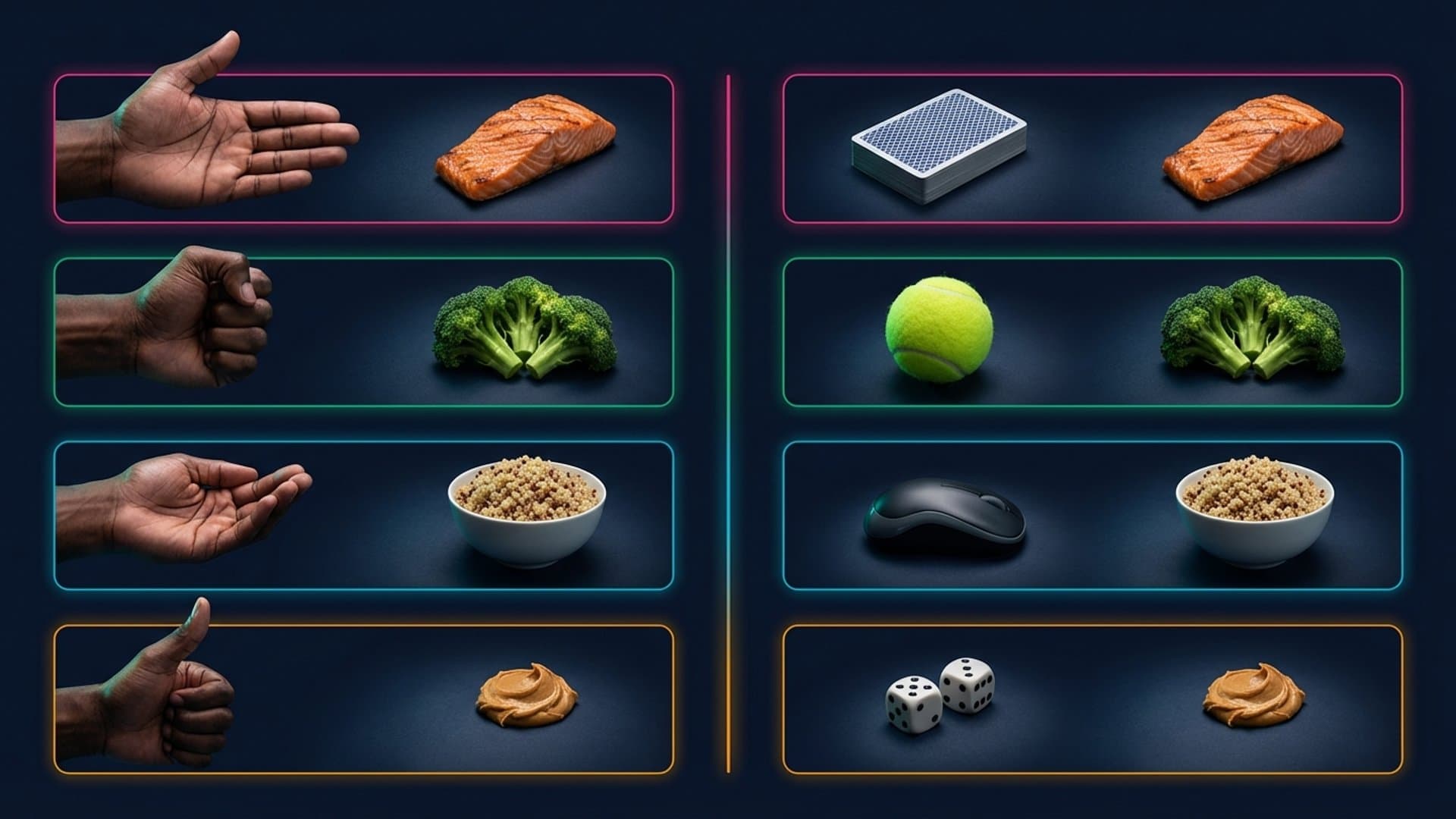
Scales and measuring cups are great at home. Real life happens at restaurants, parties, buffets, and friends' houses, where pulling out measuring tools isn't practical.
Good news: you carry everything you need to estimate portions accurately. Your eyes and your hands.
The core skill: visual anchoring
Portion estimation is a skill you can develop. The key is anchoring estimates to familiar objects and practicing until it becomes intuitive.
How experts estimate
Research on dietitians and nutrition professionals suggests they break complex plates into components, compare each one to a mental reference, account for cooking methods and hidden ingredients, and round up for calorie-dense foods. You can learn to do the same.
The complete visual reference system
Proteins: meat, fish, poultry
| What You See | Approximate Size | Approximate Calories |
|---|---|---|
| Deck of cards | 3 oz (85g) | 100-180 cal* |
| Smartphone | 4 oz (115g) | 130-240 cal* |
| Paperback book | 6 oz (170g) | 200-360 cal* |
| Two decks of cards | 6 oz (170g) | 200-360 cal* |
*Range depends on type: lean chicken lowest, fatty beef highest
Restaurant reality check: most restaurant proteins are 6-10 oz, not 3-4 oz. That "chicken breast" is probably two decks of cards, not one.
Carbs: grains, pasta, potatoes
| What You See | Approximate Size | Approximate Calories |
|---|---|---|
| Tennis ball | 1/2 cup cooked | 100-120 cal |
| Baseball | 1 cup cooked | 200-240 cal |
| Cupped handful | 1/2 cup | 100-120 cal |
| Computer mouse | Small potato | 110 cal |
| Fist | 1 cup / medium potato | 150-200 cal |
Rice and potatoes look interchangeable on a plate, but they eyeball differently: a fist-sized medium potato and a fist-sized cup of rice land in the same calorie range, yet the potato brings more fiber and potassium for it. See rice vs. potato for the full breakdown.
Restaurant reality check: pasta dishes typically contain 2-3 cups of pasta, not one. That's 400-700 calories before any sauce.
Fats: oils, butter, nuts, cheese
| What You See | Approximate Size | Approximate Calories |
|---|---|---|
| Dice (one) | 1 tsp | 35-45 cal |
| Thumb tip (first joint) | 1 tsp | 35-45 cal |
| Whole thumb | 1 tbsp | 100-130 cal |
| Golf ball | 2 tbsp | 180-200 cal |
| Pair of dice | 1 oz cheese | 80-110 cal |
| Shot glass | 1 oz nuts | 160-180 cal |
Fats are where estimation errors cost the most. A tablespoon of oil (120 cal) is small, about the size of your thumb. Restaurant kitchens don't measure, and neither do most home cooks.
Vegetables
| What You See | Approximate Size | Approximate Calories |
|---|---|---|
| Fist | 1 cup raw | 25-50 cal |
| Cupped hand | 1/2 cup cooked | 25-40 cal |
| Two fists | 2 cups salad greens | 15-30 cal |
Vegetables are forgiving: even if you're off by 50%, the calorie impact is small. Don't stress about vegetable portions.
Situation-specific techniques
At a restaurant
Step 1: scan and separate. Mentally divide the plate into protein, starch, vegetables, and any sauces or toppings.
Step 2: estimate each component. How many decks of cards is that chicken? How many baseballs of rice? How much visible oil or butter?
Step 3: add the invisible calories.
- Cooking fat: add 100-200 cal for sautéed items
- Sauces: 50-150 cal per creamy or buttery sauce
- Cheese: 100 cal per visible layer
Step 4: use the 1.5x rule. When in doubt, estimate what you think it is, then multiply by 1.5. Restaurant portions are almost always larger than home portions.
At a buffet
The danger zone: buffets encourage "tasting" multiple things, each in "small" amounts that add up.
Strategy:
- Survey first. Walk the entire buffet before serving.
- Plate like a restaurant. Imagine what a single plate at a sit-down restaurant would look like.
- Use the plate method. Half vegetables, quarter protein, quarter starch.
- Track by component: 2 oz of this protein, 3 oz of that, 1/2 cup rice, etc.
- Add a 20% buffer for the small tastes and bites.
At a dinner party
The social challenge: you don't control the cooking, and eyeballing your host's casserole feels awkward.
Strategy:
- Watch the serving. Note what a "normal" scoop or serving looks like.
- Estimate by plate coverage. What portion of your plate does each food cover?
- Apply the half rule. A "moderate" portion of a home-cooked dish is usually 400-600 cal.
- Ask subtle questions. "This is delicious, is that cream in the sauce?" gives you intel.
At fast casual / counter service
Easier than you think: many fast-casual restaurants publish nutrition info, and portions are relatively standardized.
Strategy:
- Check the restaurant's website or app first.
- If no nutrition info exists, compare to a similar chain that does have it.
- For build-your-own (like burrito bowls), estimate each component:
- Rice: 200-250 cal
- Beans: 100-150 cal
- Protein: 150-250 cal
- Cheese: 100 cal
- Sour cream: 60-100 cal
- Guac: 150 cal
- Salsa: 20 cal
Calibration exercises
Practice with our Calorie Guessing GameYour estimation improves a lot with practice. Try these.
The weekly calibration
Once a week at home:
- Estimate a portion by eye
- Weigh or measure it
- Compare and note the difference
- Adjust your mental model
After four weeks, most people's estimates improve by 30-50%.
The restaurant check
When you eat at a chain restaurant:
- Log your estimate before looking it up
- Find the actual nutrition info
- Compare
- Use the gap to adjust future estimates
The photo review
At the end of each day:
- Look at photos of your meals
- Second-guess your earlier estimates
- Adjust if needed
Train Your Eye
Calvin's AI estimates portions from photos, compare your guess to ours

The quick reference cheat sheet
Print this or save it to your phone.
Protein (per 3 oz / deck of cards)
- Chicken breast: 140 cal
- Salmon: 155 cal
- Lean beef: 180 cal
- Fatty beef: 250 cal
- Pork: 170 cal
- Shrimp: 85 cal
- Tofu: 80 cal
- Eggs (1 large): 70 cal
Carbs (per 1 cup / baseball)
- Cooked rice: 200 cal
- Cooked pasta: 220 cal
- Mashed potatoes: 210 cal
- Bread (1 slice): 80 cal
- Bagel (whole): 280 cal
Fats (per 1 tbsp / thumb)
- Butter: 100 cal
- Oil: 120 cal
- Mayonnaise: 94 cal
- Peanut butter: 95 cal
- Cream cheese: 50 cal
Dairy (per 1 oz / pair of dice)
- Cheddar: 110 cal
- Mozzarella: 80 cal
- Parmesan: 120 cal
- Cream: 50 cal per tbsp
Nuts (per 1 oz / shot glass)
- Almonds (23): 165 cal
- Cashews (18): 155 cal
- Walnuts (14 halves): 185 cal
- Peanuts (28): 160 cal
Common estimation mistakes
Mistake 1: flat vs. mounded portions
A "cup of rice" can be 200 cal (level) or 300 cal (mounded). USDA's reference value for 1 cup of cooked white rice is 206 cal. Restaurants and buffets always mound.
Fix: assume mounded unless it's clearly level.
Mistake 2: sauce blindness
The sauce on your stir-fry, the glaze on your salmon, the dressing on your salad. Often the highest-calorie components on the plate.
Fix: add 50-150 cal per visible sauce. If it's shiny, there's fat.
Mistake 3: oil amnesia
You can't see how much oil was used to cook something. Assume it's more than you think.
Fix: add 100-200 cal for any sautéed restaurant dish.
Mistake 4: healthy food halo
"It's a salad, how bad can it be?" Very bad. Caesar salads often exceed 800 calories.
Fix: treat healthy-sounding foods with the same scrutiny as obviously indulgent ones.
Mistake 5: small bite discounting
Those "few bites" of your partner's dessert, the samples at the store, the nuts at the bar. They add up.
Fix: track small bites as mini-entries or add a 100-200 cal buffer.
Building your estimation intuition
Start with your regulars
Foods you eat often are easier to calibrate. Focus first on your go-to breakfast, regular lunches, weekly restaurant order, and favorite snacks.
Create mental presets
For common dishes, memorize rough numbers:
- Fast-food burger and fries: 800-1,200 cal
- Restaurant pasta dish: 800-1,400 cal
- Large restaurant salad: 500-900 cal
- Pizza slice (medium): 200-300 cal
- Breakfast burrito: 400-700 cal
Trust your gut, then add 10%
If something seems calorie-dense, it probably is. Your instincts are often right, but most people underestimate. Add a small buffer.
Frequently Asked Questions
Let AI Handle It
Calvin estimates portions from photos so you don't have to guess
References

Founder & Developer
Ryan is the founder and lead developer of Calvin. With a passion for both technology and health optimization, he built Calvin to solve his own frustrations with manual calorie tracking. He believes that AI can make healthy eating effortless.
Related Articles
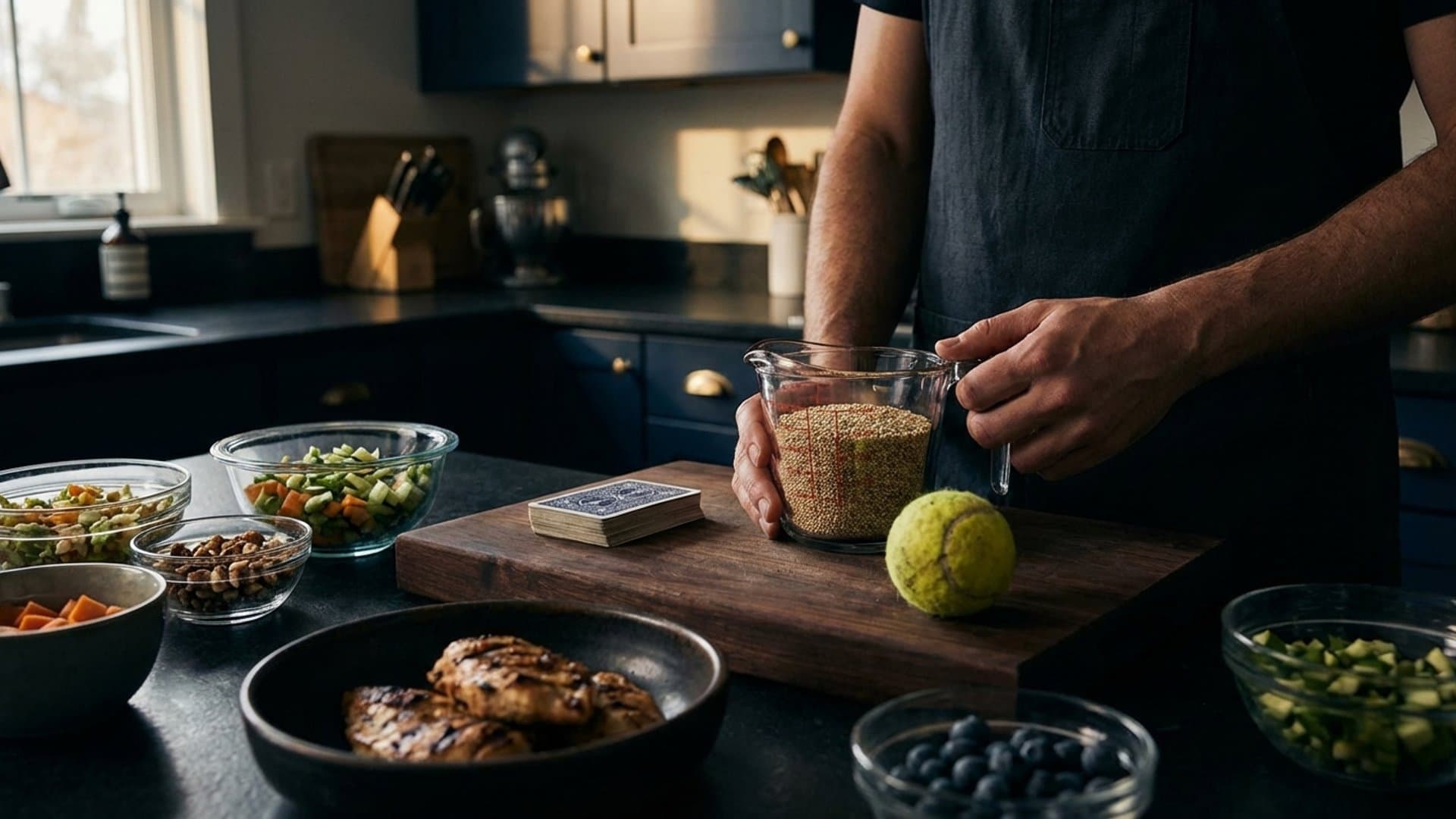
How to Count Calories Without a Food Scale
Learn practical methods for estimating calories without weighing food. Use hand portions, visual references, and smart strategies to track accurately, no scale required.
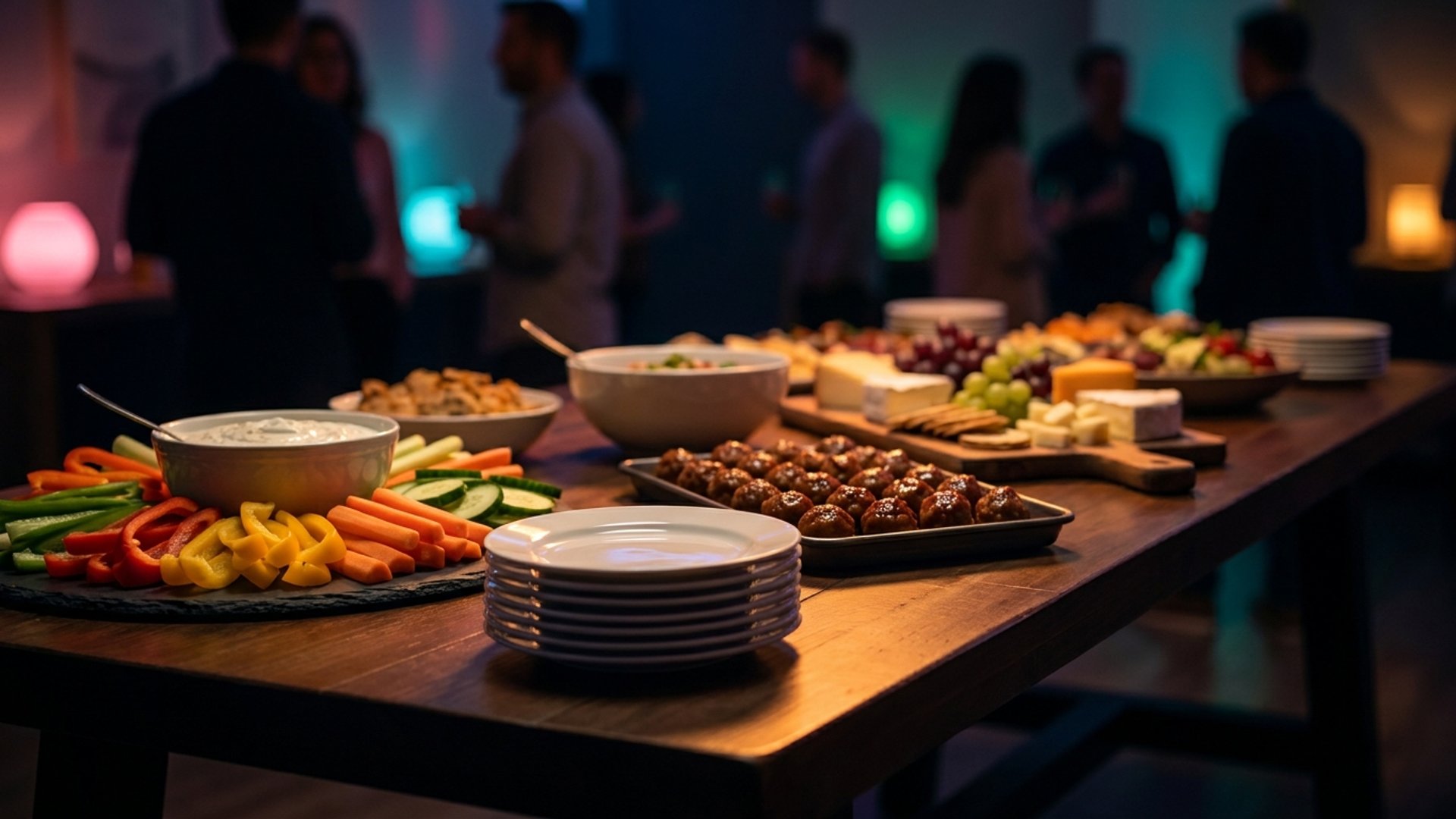
How to Count Calories at a Buffet or Potluck Without Weighing Anything
How to count calories at a buffet or potluck when nothing has a label. What the portion research says, which dishes actually cost you, and how to log the plate afterward.
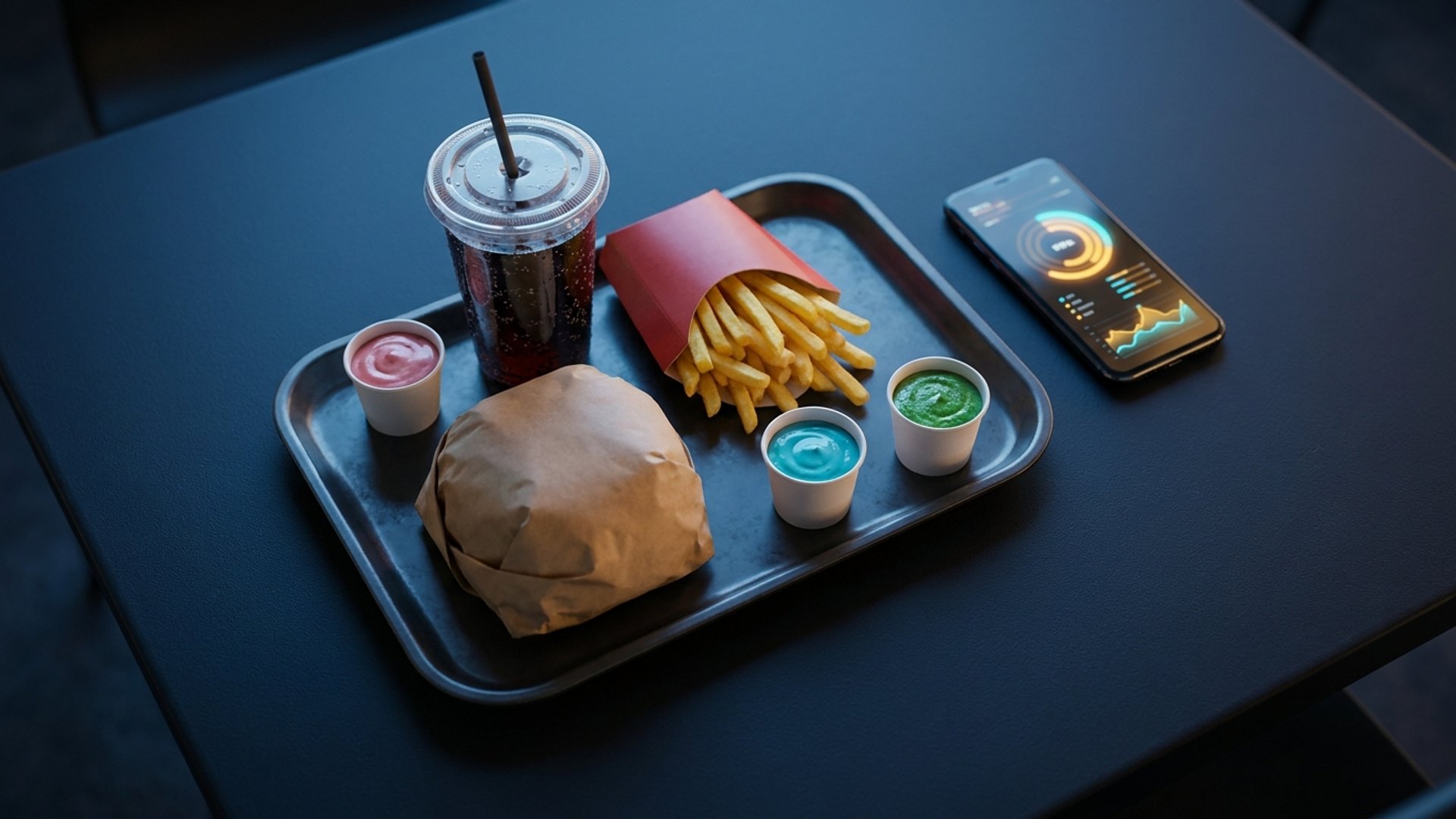
Tracking Fast Food Calories: How to Use the Published Numbers
Fast food is the easiest meal to track accurately, because the numbers are already published. Here's how to read them, where they go wrong, and what to log.