

How to Track Alcohol Calories (Without Ruining Your Social Life)
Practical guide to tracking alcohol calories while maintaining a social life. Learn drink calorie counts, planning strategies, and how to make room in your budget.

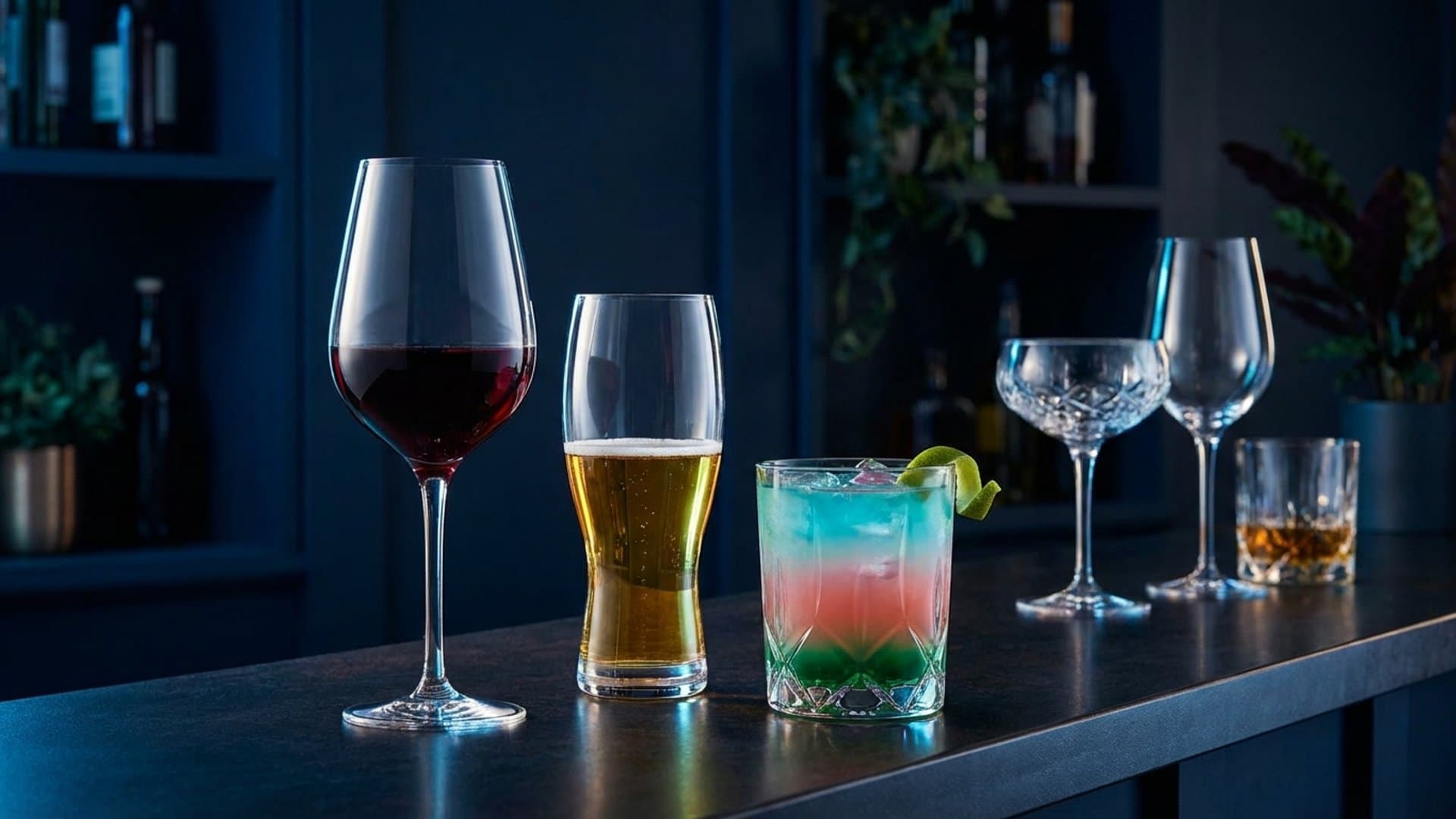
You're invited to happy hour. A friend's birthday dinner. A weekend wedding. Suddenly your carefully tracked week faces its biggest challenge: the bar.
Alcohol is one of the trickiest categories for calorie trackers. Drinks are rarely labeled, pours are inconsistent, and after a couple rounds, logging is the last thing you want to do.
You don't have to choose between a social life and your goals though. Here's how to track alcohol calories without becoming the person who brings a measuring cup to the bar.
Alcohol Calories: The Basics
Why Alcohol Has So Many Calories
Alcohol contains 7 calories per gram, almost as much as fat (9 cal/g) and nearly twice as much as carbs or protein (4 cal/g).
Plus, most alcoholic drinks contain additional calories from:
- Sugar (mixers, wine, flavored spirits)
- Carbohydrates (beer, sweet wines)
- Cream and additions (Irish coffee, White Russians)
Your body's priority system
Your body metabolizes alcohol first, which temporarily pauses fat oxidation. That doesn't mean alcohol automatically becomes fat. Total calorie balance still decides what gets stored.
While your body processes alcohol, fat burning is paused and alcohol calories get used first for energy. Other calories may be stored if you're in a surplus.
Weight gain still comes down to total calories consumed versus burned over time. Alcohol just shuffles the order things get used.
The Calorie Count: Common Drinks
Beer
| Type | Calories (12 oz) |
|---|---|
| Light beer (Bud Light, Miller Lite) | 95-110 |
| Regular lager (Budweiser, Corona) | 140-155 |
| Craft pale ale | 180-220 |
| IPA | 200-300 |
| Stout (Guinness) | 125-170 |
| Belgian/wheat beer | 180-250 |
| Sour beer | 150-200 |
Don't assume "craft" means more calories. Many craft lagers are similar to mainstream beers. It's the high-alcohol IPAs and Belgian styles that pack the most.
Wine
| Type | Calories (5 oz glass) |
|---|---|
| Dry white (Sauvignon Blanc, Pinot Grigio) | 120-130 |
| Dry red (Cabernet, Pinot Noir) | 125-130 |
| Oaky white (Chardonnay) | 125-130 |
| Rosé | 120-130 |
| Sweet white (Riesling, Moscato) | 150-165 |
| Champagne/Prosecco | 90-100 |
| Dessert wine (port, sherry) | 140-200 (3 oz) |
Not sure whether to reach for a beer or a glass of wine? Compare beer vs. wine calories and nutrition side by side.
The pour problem: Restaurant wine pours are often 6-8 oz, not 5 oz. That "glass of wine" might be 160-200 calories.
Spirits (Straight)
| Spirit | Calories (1.5 oz shot) |
|---|---|
| Vodka | 97 |
| Gin | 97 |
| Rum (unflavored) | 97 |
| Whiskey/bourbon | 97 |
| Tequila | 97 |
| Brandy/cognac | 100 |
At 80 proof, most straight spirits are nearly identical. The differences come from mixers. Juice is the sneaky one: a cup of orange juice adds about 110 calories, more than double what coconut water does (see coconut water vs orange juice).
Mixed Drinks and Cocktails
| Drink | Calories |
|---|---|
| Vodka soda | 97 |
| Gin and tonic (diet tonic) | 97 |
| Gin and tonic (regular) | 170 |
| Rum and Coke | 185 |
| Rum and Diet Coke | 97 |
| Whiskey sour | 165 |
| Old Fashioned | 150-180 |
| Martini | 175-230 |
| Margarita | 280-400 |
| Mojito | 220-280 |
| Moscow Mule | 180-220 |
| Piña Colada | 450-650 |
| Long Island Iced Tea | 280-350 |
| Cosmopolitan | 150-200 |
| Espresso Martini | 250-300 |
| Aperol Spritz | 125-150 |
Tropical and cream-based drinks are the calorie bombs. A single Piña Colada can contain more calories than a meal.
The real drink problem: what you eat with it
Alcohol calories are only part of the equation. The bigger issue is usually what happens after you start drinking.
The appetite effect
Alcohol lowers inhibitions around food, bumps appetite, impairs portion judgment, and makes the worst options on the menu look most appealing. Research suggests people consume 20-30% more food when alcohol is involved in a meal.
The "drunk munchies"
Late-night pizza. 2 AM tacos. The drive-through on the way home. These unplanned, untracked meals often add 500-1,500 calories on top of the drinks.
The next day
Hangover eating is real. You're tired, willpower is depleted, and your body wants carbs and fat. The day after drinking usually involves a large greasy breakfast, more snacking, less activity, and a skipped workout.
The full cost: A night of 4 drinks might be 600 calories of alcohol, plus 1,000 calories of drunk eating, plus 500 extra the next day. That's 2,100 calories from one evening. Enough to erase a week's deficit.
Smart Strategies for Social Drinking
Strategy 1: Pre-Game Your Plan
Before you go out:
- Decide how many drinks you'll have
- Calculate those calories
- Adjust your day accordingly
- Eat a protein-rich meal beforehand (reduces appetite and slows absorption)
Strategy 2: Choose Lower-Calorie Options
| Instead of... | Try... | Savings |
|---|---|---|
| Margarita (350 cal) | Tequila soda with lime (100 cal) | 250 cal |
| Piña Colada (550 cal) | Rum and diet coke (100 cal) | 450 cal |
| IPA (250 cal) | Light beer (100 cal) | 150 cal |
| Sweetened cocktail (300 cal) | Wine (125 cal) | 175 cal |
| Long Island (320 cal) | Vodka soda (100 cal) | 220 cal |
The simple rule: Spirit + zero-cal mixer = ~100 calories. Everything else is more.
Strategy 3: Alternate with water
For every alcoholic drink, have a glass of water. It cuts total alcohol consumption in half, keeps you hydrated, slows your pace, and reduces next-day hangover eating.
Strategy 4: Set a drink limit
Two drinks is usually the sweet spot. Enough to be social and enjoy yourself, around 200-300 calories, and not enough to wreck your food decisions. Beyond 3-4 drinks, the food decisions tend to spiral.
Strategy 5: Eat before, not after
A solid meal before drinking slows alcohol absorption, reduces appetite while drinking, and prevents the "must eat NOW" hunger later. Plan dinner before the bar, not after.
Making Room in Your Budget
Calculate your daily calorie budgetOption 1: Bank Calories Earlier
If you know you're going out Saturday night:
- Eat 100-200 fewer calories Mon-Fri
- That's 500-1,000 calories saved for the weekend
- Covers 5-10 drinks without going over weekly budget
Option 2: Shift the Day's Calories
On the day of drinking:
- Eat protein-heavy, lower-calorie meals during the day
- Save 400-600 calories for evening drinks
- Still hit your protein target (prioritize lean protein)
Option 3: Accept the Overage
Sometimes you're going to go over. A wedding, a big celebration, a night out with friends. That's life.
One high-calorie day won't ruin your progress. What matters is the overall pattern. Don't let one night become a three-day binge. Return to normal eating the next day. Keep tracking even if you went over. View it as data, not failure.
A 1,000-calorie overage divided over a week is ~150 extra calories per day. That might slow progress slightly but won't stop it. Don't let one night derail your week.
Tracking Drinks at the Bar
How to Log When You're Out
- Log before you drink if possible (while sober)
- Use round numbers (vodka soda = 100, beer = 150, cocktail = 250)
- Send yourself a text with drinks if you won't remember
- Take photos of your drinks to log later
- Overestimate slightly (bartender pours are generous)
Accounting for Bartender Pours
Standard drink sizes:
- Beer: 12 oz
- Wine: 5 oz
- Spirit: 1.5 oz
Bartender reality:
- Beer: 12-16 oz
- Wine: 6-8 oz
- Spirit: 2-3 oz
Add 30-50% to calorie counts for bar drinks vs. home-poured.
Special Situations
Happy Hour
Happy hour often means cheap drinks and free appetizers. The appetizers are the danger zone, nachos, wings, and fried apps add up fast.
Strategy: Order one drink and one appetizer to share. Don't graze.
See our guide to tracking restaurant meals for more tips on dining outDinner Party
Hosts often top off glasses before they're empty. You lose track of how much you've consumed.
Strategy: Cover your glass when you don't want more. Mentally count pours, not glasses.
Wedding or Open Bar
Unlimited drinks, hours of availability, and social pressure to celebrate.
Strategy: Set a firm limit (e.g., 4 drinks over 5 hours). Alternate every drink with water. Eat a full meal. Focus on dancing and conversation, not the bar.
Work Events
The stakes are higher, you want to stay professional.
Strategy: Nurse one or two drinks. Hold a glass of sparkling water (looks like a cocktail). Eat before the event.
Lower-Calorie Drink Recipes
At the Bar
Skinny Margarita: Tequila + fresh lime juice + splash of agave + soda water = ~150 cal
Vodka Soda Upgrade: Vodka + soda + muddled cucumber and mint = ~100 cal
Light Wine Spritzer: White wine + sparkling water (50/50) = ~65 cal
Paloma Light: Tequila + fresh grapefruit juice + soda water + lime = ~130 cal
At Home
Having drinks at home? You control the pours.
Measured spirits: Use a jigger (1.5 oz) for consistent counts
Zero-cal mixers: Soda water, diet tonic, diet ginger beer, La Croix
Flavor without calories: Fresh citrus, cucumber, mint, jalapeño
The Weekly View
Think of alcohol like a weekly budget, not a daily one:
| Weekly Budget | How to Spend It |
|---|---|
| 500-700 cal | 5-7 light drinks OR 2-3 regular drinks |
| 1,000 cal | One bigger night out |
| 1,500 cal | Two moderate nights |
Saving room for alcohol means eating slightly less elsewhere. Not starving yourself, just trading off.
Frequently Asked Questions
Track Every Drink
Calvin makes it easy to log alcohol and see how it fits your goals

References

Founder & Developer
Ryan is the founder and lead developer of Calvin. With a passion for both technology and health optimization, he built Calvin to solve his own frustrations with manual calorie tracking. He believes that AI can make healthy eating effortless.
Related Articles
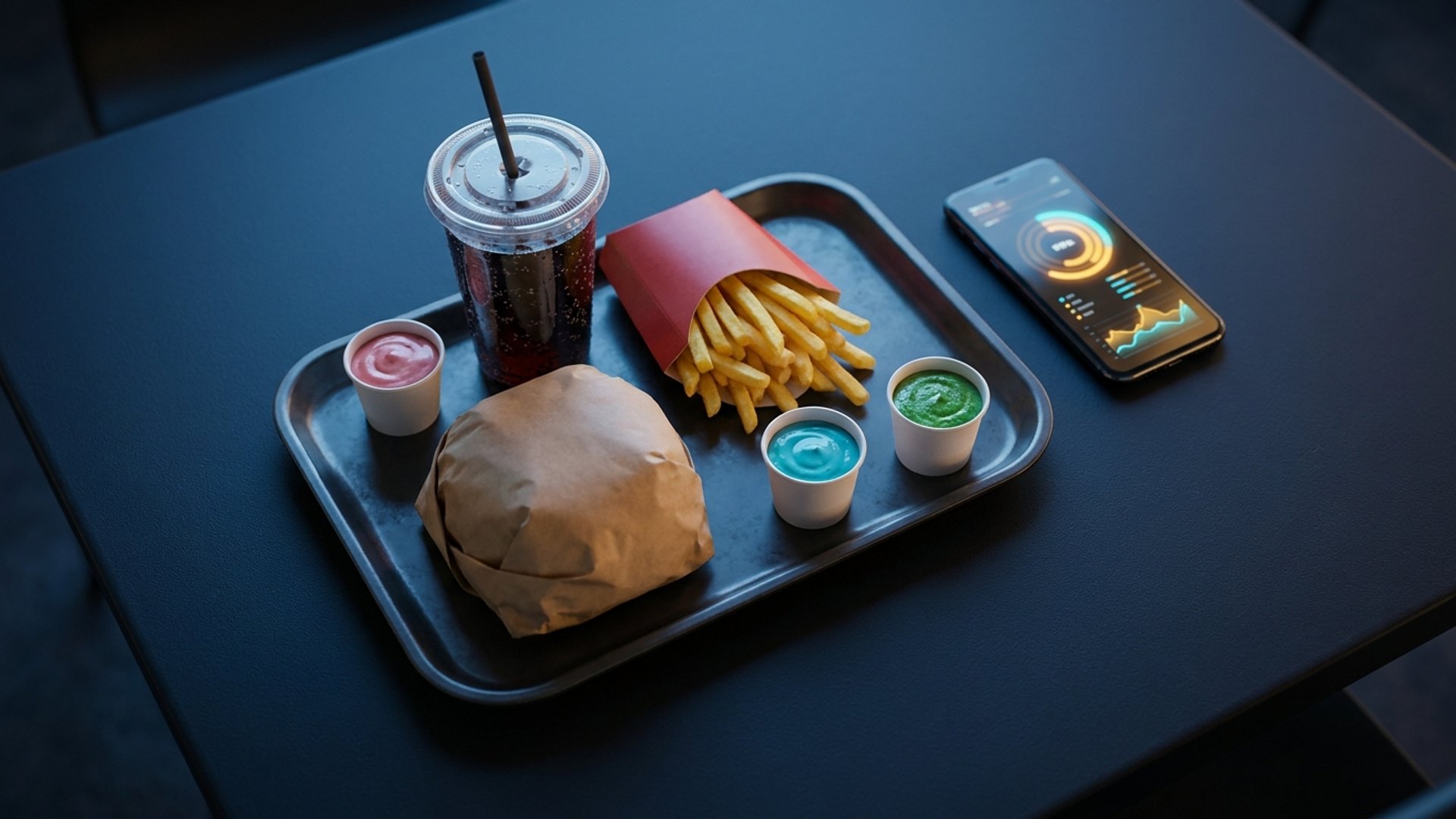
Tracking Fast Food Calories: How to Use the Published Numbers
Fast food is the easiest meal to track accurately, because the numbers are already published. Here's how to read them, where they go wrong, and what to log.
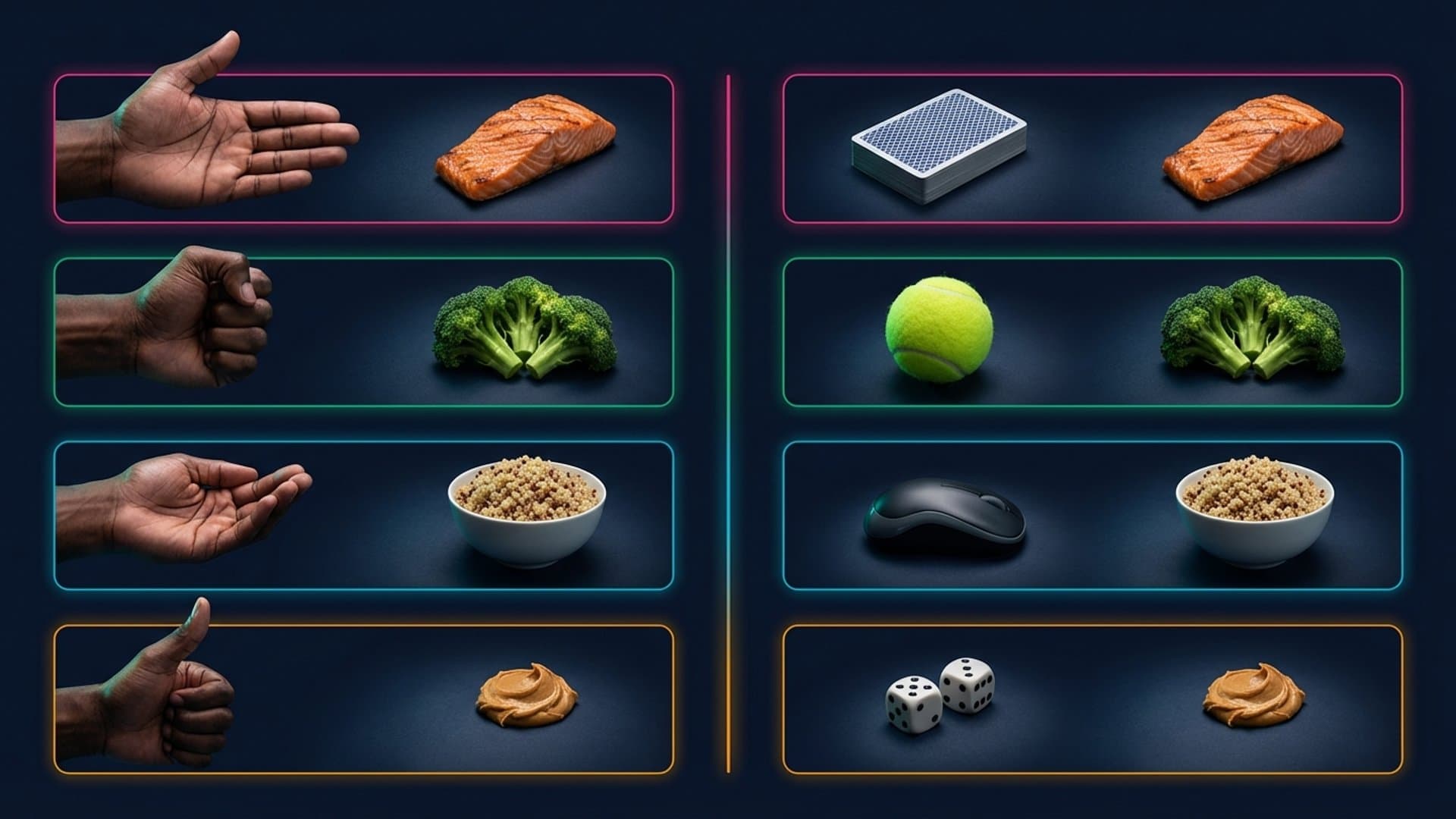
How to Estimate Portions When You Can't Measure
Master visual portion estimation for any situation. From restaurants to buffets to dinner parties, these techniques help you track calories accurately anywhere.
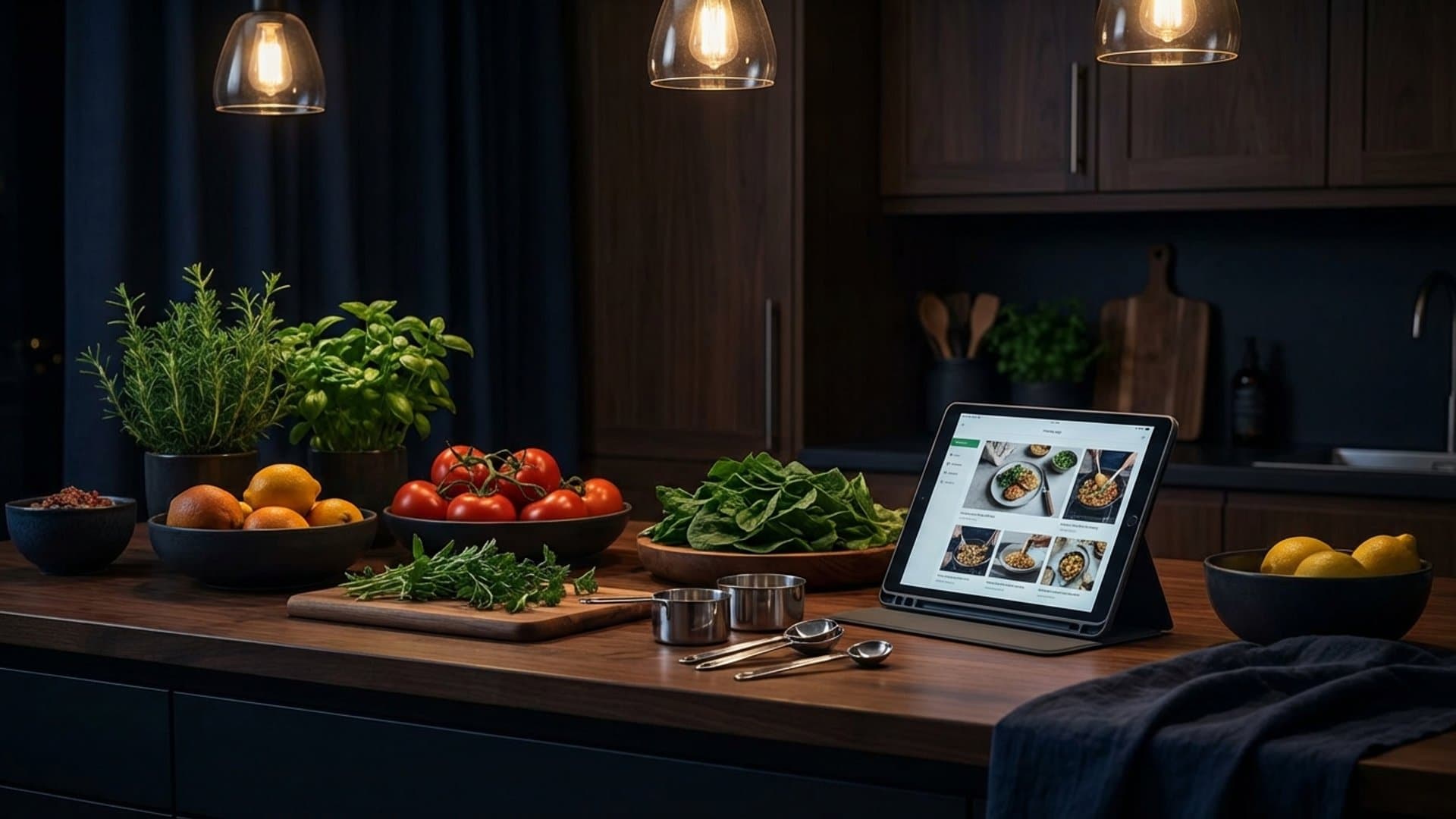
How to Track Homemade Recipes and Meals
Step-by-step guide to calculating and tracking calories in homemade recipes. Learn how to log home-cooked meals accurately without overcomplicating your process.