

Decision Fatigue and Food Choices: Why Your Eating Falls Apart at Night
If your eating is great during the day but falls apart in the evening, decision fatigue is likely part of the problem. Here's the science and how to fix it.

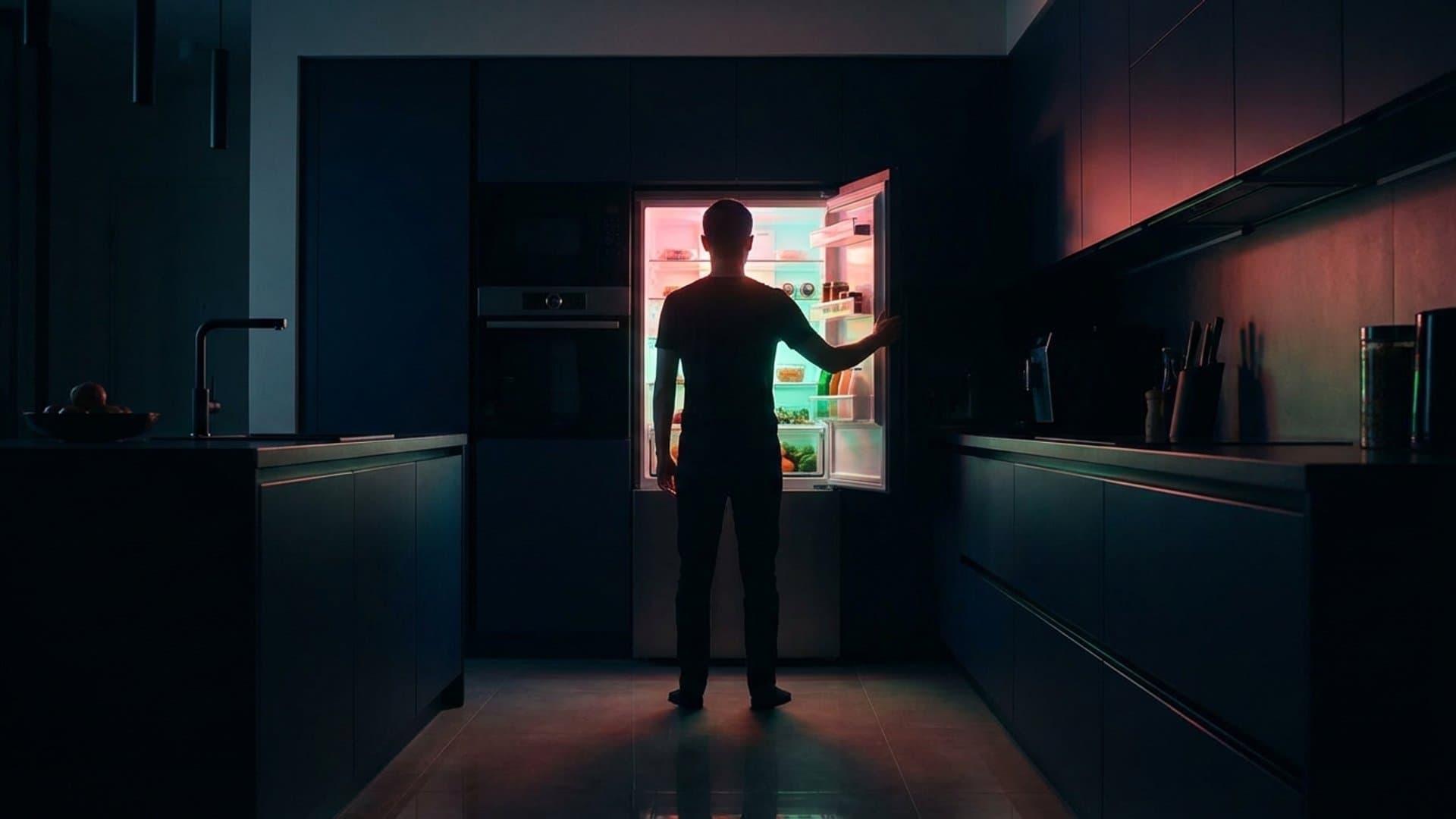
If your eating is great during the day but falls apart in the evening, decision fatigue is probably part of the problem. Our ability to make good choices genuinely degrades over the course of a day. Here's why that happens and what you can do about it.
The Evening Snacking Phenomenon
You know the pattern:
- Breakfast: Healthy, planned, on track
- Lunch: Reasonable choices, maybe slightly off but fine
- Afternoon: Starting to slip, a snack you didn't plan
- Dinner: Larger portions than intended
- Evening: All discipline gone, reaching for whatever's available
This isn't a coincidence or a character flaw. It's a predictable result of how the brain works.

The Science: Willpower as a Depletable Resource
Research by Vohs, Baumeister and colleagues (2008) established the concept of "ego depletion": the idea that self-control draws from a limited pool that gets used up over time.
The Key Findings
- Each decision you make throughout the day uses cognitive resources
- As resources deplete, subsequent decisions become harder
- People are more likely to make impulsive choices later in the day
- This affects all decisions, including food choices
Decision fatigue doesn't mean you're weak. It means you're human. The brain literally has finite resources for self-regulation, and those resources get used up throughout the day.
The Famous Judge Study
A 2011 study by Danziger et al. examined 1,112 judicial rulings in Israeli courts. Judges decided whether to grant parole to prisoners.
Findings:
- At the start of the day: ~65% of prisoners were granted parole
- Just before lunch: ~10% were granted parole
- After lunch break: Back to ~65%
- End of day: Dropped toward 10% again
The judges weren't being lazy or biased. They were experiencing decision fatigue. Denying parole was the "default" decision that took less cognitive effort. As the day progressed, judges increasingly defaulted to the easier choice.
The parallel to eating: When you're decision-fatigued, you default to whatever's easiest, often the food that's most accessible and requires the least thought.
How Decision Fatigue Affects Eating
The Cumulative Effect
Food decisions compound throughout the day:
| Time | Decisions Made | Cumulative Load |
|---|---|---|
| 7 AM | What to wear, when to leave, breakfast choice | Low |
| 12 PM | Morning work decisions, lunch location, lunch order | Moderate |
| 5 PM | Afternoon work, commute choices, dinner planning | High |
| 8 PM | Full day of decisions, evening activities | Depleted |
By evening, you've made hundreds of decisions. Your brain is tired. Food choices suffer.
What Depleted Decision-Making Looks Like
| Good State (Morning) | Depleted State (Evening) |
|---|---|
| "I'll have grilled chicken and vegetables" | "Just order pizza" |
| "I'll skip dessert" | "Whatever, I deserve it" |
| "Let me check if this fits my calories" | Opens pantry, eats whatever |
| Makes conscious choice | Reacts to cravings |
The Cortisol Connection
Cortisol (the stress hormone) tends to rise through the day and is associated with cravings for high-calorie foods. Combined with decision fatigue, evenings turn into a perfect storm for overeating.
Meal timing and weightSix Strategies to Combat Decision Fatigue
1. Meal Prep: Fewer Decisions = Better Decisions
When dinner is already made, you don't have to decide what to eat. You just eat what's there.
How to implement:
- Prep 3-5 dinners on Sunday
- Cook extra at dinner to have leftovers for lunch
- Have default "no-decision" meals for busy days
- Pre-portion snacks so you don't have to decide how much
2. Planned Indulgences: Satisfy Cravings on Your Terms
Completely restricting treats raises decision load ("Should I have it? What about now?"). Planning treats cuts down on decisions and satisfies cravings without going overboard.
How to implement:
- Budget a specific treat into your daily calories
- Schedule indulgences (e.g., "I have dessert on Fridays")
- Pre-decide portion sizes
- Buy single-serving portions when possible
3. Environmental Design: Remove the Need to Decide
If unhealthy food isn't available, you can't decide to eat it. If healthy food is front and center, it becomes the default.
How to implement:
- Don't keep trigger foods at home
- Keep fruits and vegetables visible and accessible
- Use smaller plates and bowls
- Store healthy snacks at eye level, less healthy ones hidden
You can't rely on willpower to resist food that's already in your house. Make the healthy choice the easy choice by controlling your environment.
4. Earlier Eating Window: Make Decisions When You're Sharp
If evening decisions are the worst, reduce how many evening food decisions you have to make.
How to implement:
- Eat a larger lunch and earlier dinner
- Close the kitchen after dinner
- Brush your teeth earlier to signal "done eating"
- Plan evening activities that don't involve food
5. Protein at Dinner: Increase Satiety to Reduce Cravings
Higher protein meals are more satiating, which softens later cravings and the decisions needed to resist them.
How to implement:
- Aim for 30-40g protein at dinner
- Include protein in any evening snacks
- Choose protein-rich options when snacking is likely
6. Acceptable Default Snacks: Pre-Decide What's Okay
Instead of fighting cravings, have pre-approved options ready. When you want something, the decision is already made.
How to implement:
- Keep a list of "approved" evening snacks
- Pre-portion these snacks
- Make them easily accessible
- Examples: Greek yogurt, fruit, air-popped popcorn, vegetables with hummus
The Decision Reduction Framework
| Area | Reduce Decisions By |
|---|---|
| What to eat | Meal prep, default meals, weekly rotation |
| How much to eat | Pre-portioning, using smaller plates |
| When to stop | Kitchen closed policy, brushing teeth |
| What snacks | Approved snack list, pre-portioned options |
| Whether to indulge | Scheduled treats, budget built-in |
The goal isn't perfect control, it's fewer decisions.
When Decision Fatigue Strikes: Damage Control
Even with strategies, you'll sometimes hit decision fatigue unprepared. Here's how to limit the damage:
The 10-Minute Rule
When you feel a craving, commit to waiting 10 minutes. The urge often passes. This turns an impulsive decision into a delayed one, giving your depleted brain time to catch up.
The "One Portion" Protocol
If you're going to snack, pre-decide it'll be one reasonable portion. Put that portion on a plate. Close the container. Leave the kitchen. This converts an open-ended decision into a bounded one.
The Protein-First Approach
When you're going to eat, start with protein. It's satiating and buys your brain time before the carb-heavy stuff looks irresistible.
The "Is This Hunger?" Check
Ask: "Am I physically hungry, or am I tired, bored, or stressed?" If it's not hunger, food isn't what you need. Go to bed, take a walk, or address the actual issue.
Pre-calculate your mealsProtecting Your Decision-Making Capacity
Beyond food, here's how to save decision-making energy for when it matters:
Morning Routines
- Decide what to wear the night before
- Automate breakfast (same thing every day)
- Cut down on morning decisions to save capacity
Work Strategies
- Do your most important work early
- Batch similar decisions together
- Take breaks to restore capacity
General Principles
- Make important decisions early in the day
- Automate or eliminate low-stakes decisions
- Get enough sleep (sleep deprivation accelerates depletion)
The Bottom Line
Decision fatigue is real, and it hits your eating hardest in the evening. Your brain's capacity for self-regulation is finite, and it gets used up over the day.
The fix isn't more willpower. It's fewer decisions.
Strategies that work:
- Meal prep so dinner doesn't require a decision
- Plan indulgences so treats aren't impulsive
- Design your environment so healthy choices are the default
- Eat earlier to avoid peak fatigue hours
- Prioritize protein to reduce later cravings
- Pre-approve snacks so you don't have to decide in the moment
You're not failing at night because you're weak. You're making decisions with a depleted brain. Set up your system so good choices don't require decisions.
Frequently Asked Questions
Simplify Your Tracking
Calvin makes food logging fast and easy, fewer decisions, better results

References
- Danziger et al. (2011). Extraneous factors in judicial decisions. PNAS.
- Vohs et al. (2008). Making choices impairs subsequent self-control. Journal of Personality and Social Psychology.
- Hare, Camerer & Rangel (2009). Self-control in decision-making involves modulation of the vmPFC valuation system. Science.
- Allabadi et al. (2025). The Effect of Decision Fatigue on Food Choices: A Narrative Review. Nutrients.

Founder & Developer
Ryan is the founder and lead developer of Calvin. With a passion for both technology and health optimization, he built Calvin to solve his own frustrations with manual calorie tracking. He believes that AI can make healthy eating effortless.
Related Articles
Why You Overeat on Weekends (And How to Fix It)
Research shows most people eat more on weekends. Here's why the 'Monday diet' phenomenon happens and practical strategies to stop sabotaging your progress.
How to Get Back on Track After a Binge (Without the Guilt Spiral)
Binges happen. The damage isn't what you ate. It's what you do next. Here's the calm, evidence-based playbook for resetting after an off day without spiraling.
Your First Week of Calorie Tracking: What to Expect
The first week of calorie tracking is slow, noisy, and slightly annoying. Here is how long it actually takes, what the scale will do, and what counts as good enough.